

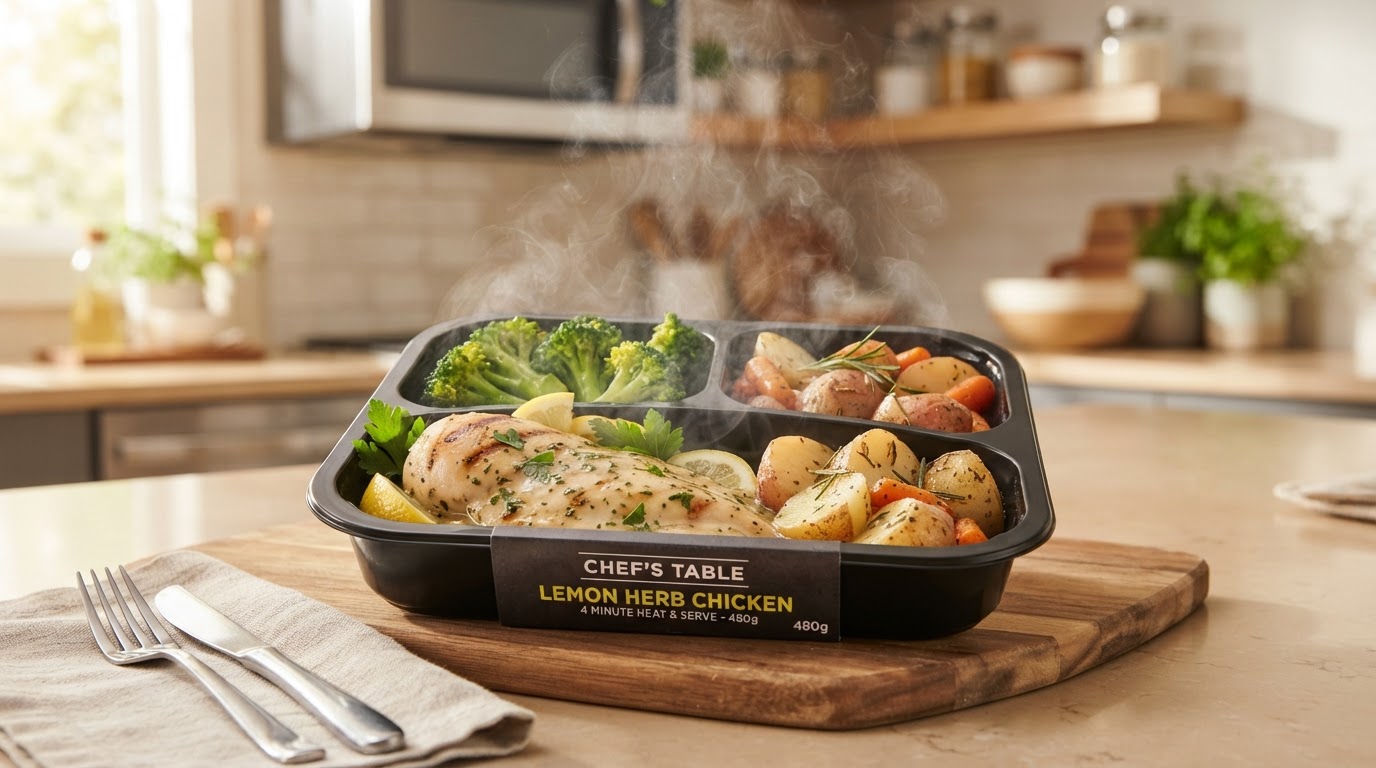
Ready-to-Eat Meals Delivered: The No-Cooking-Required Guide to Heat-and-Eat Meal Delivery
Everything you need to know about ready-to-eat meals delivered to your door, including fresh versus frozen options, shelf life, reheating, and choosing the right heat-and-eat service.
Ready-to-eat meals delivered to your door represent the most convenient segment of the meal delivery market, requiring zero cooking and minimal effort beyond reheating. For households with no time, no interest, or no facility for cooking, ready-to-eat meal delivery provides a practical alternative to takeout that is typically healthier, more portion-controlled, and less expensive than restaurant ordering. Understanding the options ensures you choose the right heat-and-eat service.
Ready-to-eat delivered meals arrive in two primary formats: fresh refrigerated and flash-frozen. Fresh meals offer superior texture and flavor for immediate consumption, with a refrigerated shelf life of four to seven days. Frozen meals provide flexibility for unpredictable schedules, storing safely for three to six months and thawing as needed. Some services ship mixed orders, allowing you to refrigerate meals for the coming days and freeze others for later in the month.
Reheating is the only preparation ready-to-eat meals require, but the method affects quality. Microwave reheating is fastest, typically two to four minutes, but can unevenly heat meals and soften textures best served crisp. Oven reheating takes longer, around ten to fifteen minutes, but restores caramelization and crispness. Air fryers excel at reviving breaded proteins and roasted vegetables. Following each service's specific reheating instructions yields noticeably better results than defaulting to a microwave.
Shelf life management is essential for ready-to-eat meal delivery. Fresh meals should be eaten within their refrigerated window, prioritizing the most perishable items first. Frozen meals can be thawed overnight in the refrigerator or heated directly from frozen with extended reheating time. Tracking delivery dates and planning consumption order prevents waste and ensures you eat meals at peak quality rather than after they have declined.
Menu variety prevents ready-to-eat meal fatigue. The best services offer twenty or more rotating options per week, spanning proteins, cuisines, and dietary categories. Services with limited menus become repetitive quickly, particularly for households eating multiple delivered meals daily. Reviewing several weeks of menus before subscribing reveals whether a service offers enough variety to sustain a long-term subscription.
Dietary accommodation in ready-to-eat meals has expanded significantly. Services now specialize in high-protein meals for athletes, low-sodium options for cardiac patients, ketogenic and low-carb plans, gluten-free preparation for celiac safety, and plant-based vegan menus. Choosing a service that specializes in your dietary needs generally delivers better results than selecting a general service and hoping individual meals meet your requirements.
Nutritional transparency matters particularly for ready-to-eat meals, where you cannot adjust portions or ingredients at the point of consumption. Look for services publishing complete nutritional labels with calories, macronutrients, sodium, and allergen information for every meal. Without this data, you cannot verify that delivered meals align with your dietary targets, making it impossible to use ready-to-eat delivery for structured nutrition goals.
Packaging for ready-to-eat meals balances safety, convenience, and environmental impact. Individual meal containers must be microwave or oven safe, leak-proof, and able to maintain freshness during transit. Services have made progress toward recyclable and compostable containers, though the individual packaging required for ready-to-eat delivery generates more material than bulk meal prep. Reviewing each service's packaging materials and disposal instructions helps environmentally conscious customers choose accordingly.
This directory indexes ready-to-eat meal delivery services across the United States and Canada, organized by dietary specialization and service area. Browse heat-and-eat providers serving your location, compare menus, pricing, and delivery logistics, and contact companies directly through their listed website, phone, or email to request current menus and confirm delivery availability. Ready-to-eat meals delivered reliably provide effortless eating for households that prioritize convenience above all else.
Looking for prepared & ready-to-eat meal delivery providers?
Browse our directory of vetted meal delivery services.
Browse Ready-to-Eat Meals