

Weight Loss Meal Delivery Programs: A Guide to Calorie-Controlled and Macro-Balanced Meal Services
How to evaluate weight loss meal delivery programs using calorie accuracy, macronutrient balance, portion control, sustainability, and how to avoid services that overpromise results.
Weight loss meal delivery programs provide structured nutritional support that simplifies the calorie control and macronutrient balance essential to sustainable weight management. Rather than relying on willpower, tracking apps, and grocery discipline, these services deliver precisely portioned meals with verified nutritional data, removing the guesswork and constant decision-making that often derail weight loss efforts. Understanding how to evaluate these programs ensures you choose one that supports genuine, lasting results.
Calorie accuracy is the foundation of any credible weight loss meal delivery program. Services must provide verified per-meal calorie counts based on actual preparation rather than estimates, because even small inaccuracies compound across daily meals into significant deviations from your target deficit. Look for services publishing complete nutritional labels and, ideally, providing meals in multiple calorie tiers so you can select portions matching your specific caloric target rather than adjusting around a fixed portion.
Macronutrient balance influences whether weight loss comes from fat, muscle, or water. Effective weight loss programs emphasize adequate protein to preserve lean muscle mass during caloric deficit, controlled carbohydrates to manage insulin response and appetite, and moderate healthy fats to support satiety and hormone function. Services that simply reduce calories without attention to macronutrient composition may produce weight loss that includes undesirable muscle loss, undermining metabolism and long-term maintenance.
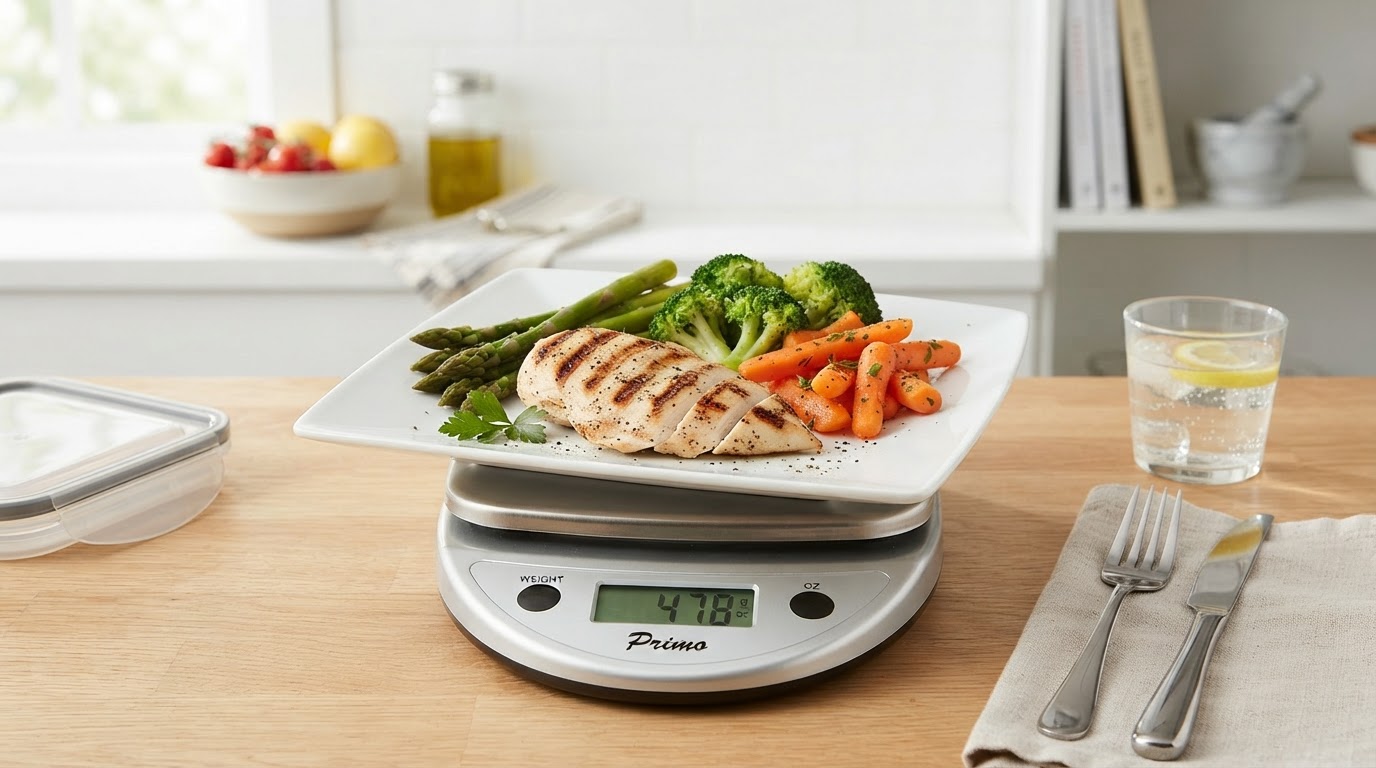
Portion control is the mechanism through which meal delivery supports weight loss most directly. Pre-portioned meals eliminate the serving-size estimation that causes unintentional overconsumption, and the visual cue of a defined portion recalibrates perception of appropriate meal size over time. This portion training effect persists beyond the subscription, helping former subscribers maintain portions when they return to self-prepared meals.
Satiety design determines whether a weight loss meal program is sustainable. Meals that leave you hungry lead to snacking, deviation, and eventual abandonment of the program. The best weight loss meal services design meals with adequate protein, fiber, and volume to provide satiety within calorie targets, using vegetables, whole grains, and lean proteins rather than calorie-dense ingredients that leave portions unsatisfyingly small. A program you cannot sustain produces no lasting results.
Dietary variety prevents the monotony that causes weight loss program dropout. Services offering twenty or more rotating menu items per week sustain engagement better than those with limited selections. Variety also supports nutritional diversity, ensuring you receive a range of vitamins, minerals, and phytonutrients rather than the narrow intake that repetitive menus produce. Evaluate several weeks of menus before subscribing to confirm sufficient variety for long-term adherence.
Sustainability of the approach matters more than speed. Programs promising rapid weight loss through severe caloric restriction are difficult to maintain and frequently followed by regain. Credible weight loss meal delivery programs support a moderate, sustainable deficit of 500 to 1,000 calories per day, producing one to two pounds of loss weekly, which research consistently shows is more maintainable than aggressive restriction. Be wary of services promising faster results than this evidence-based range.
Integration with activity and lifestyle determines whether meal delivery complements or conflicts with your overall approach. Some programs offer meals calibrated for different activity levels, with higher carbohydrate content for active days and lower-carb options for rest days. If you exercise regularly or have a physically demanding job, ensure the program you choose accommodates your energy needs rather than imposing a one-size-fits-all caloric level that leaves you underfueled.
This directory indexes weight loss meal delivery programs across the United States and Canada, with profiles detailing calorie ranges, macronutrient approaches, menu variety, and service areas. Browse calorie-controlled and macro-balanced providers serving your location, compare nutritional approaches, and contact companies directly through their listed website, phone, or email to request detailed nutritional information and confirm that their programs align with your specific weight management goals. Weight loss meal delivery, chosen carefully, provides the structure and consistency that support sustainable results.
Looking for fitness & macro-balanced meals providers?
Browse our directory of vetted meal delivery services.
Browse Fitness & Macros