

Meal Delivery for Seniors: Nutrition, Accessibility, and Choosing Age-Friendly Meal Services
A guide to meal delivery for older adults, covering low-sodium and cardiac-friendly options, soft-texture meals, easy-open packaging, and how to evaluate senior meal services.
Meal delivery for seniors addresses nutritional needs, physical limitations, and lifestyle circumstances that differ significantly from those of younger adults. As mobility decreases, cooking becomes more difficult, and dietary restrictions accumulate with age-related health conditions, delivered meals provide a practical solution that supports independent living, nutritional adequacy, and dignity for older adults. Choosing the right senior meal delivery service requires understanding these specific needs.
Nutritional requirements for seniors often include controlled sodium, adequate protein to prevent muscle loss, sufficient calcium and vitamin D for bone health, and appropriate calorie density to prevent both malnutrition and unwanted weight gain. Many seniors manage chronic conditions such as hypertension, diabetes, or kidney disease that impose additional dietary constraints. Meal delivery services specializing in senior nutrition design menus that meet these requirements without requiring seniors to navigate complex dietary planning themselves.
Low-sodium meal delivery is among the most important senior-specific offerings. The American Heart Association recommends limiting sodium to 1,500 to 2,000 milligrams daily for adults with hypertension, a threshold that conventional prepared meals frequently exceed. Senior meal services craft entrees seasoned with herbs, citrus, and spices rather than salt, keeping per-meal sodium under 500 milligrams while maintaining flavor. For seniors managing congestive heart failure or kidney disease, this sodium control is medically significant rather than merely preferable.
Soft-texture and easy-to-chew meals serve seniors with dental issues, dysphagia, or recovery from oral surgery. Services offering texture-modified meals prepare fork-tender proteins, braised vegetables, and smooth purees that preserve nutrition and presentation while accommodating chewing limitations. These meals allow seniors with swallowing difficulties to eat safely and enjoyably rather than relying on unpalatable liquid supplements. Confirming that a service offers appropriate texture modifications before subscribing is essential for affected seniors.
Diabetic-friendly meal delivery supports seniors managing type 2 diabetes through controlled carbohydrate portions, adequate fiber, and balanced macronutrients that prevent blood glucose spikes. Services specializing in diabetic meals pair complex carbohydrates with protein and fiber, avoid added sugars, and provide carbohydrate counts that allow seniors or their caregivers to coordinate meals with medication. This structured nutritional support helps maintain stable blood glucose without requiring seniors to calculate exchanges themselves.
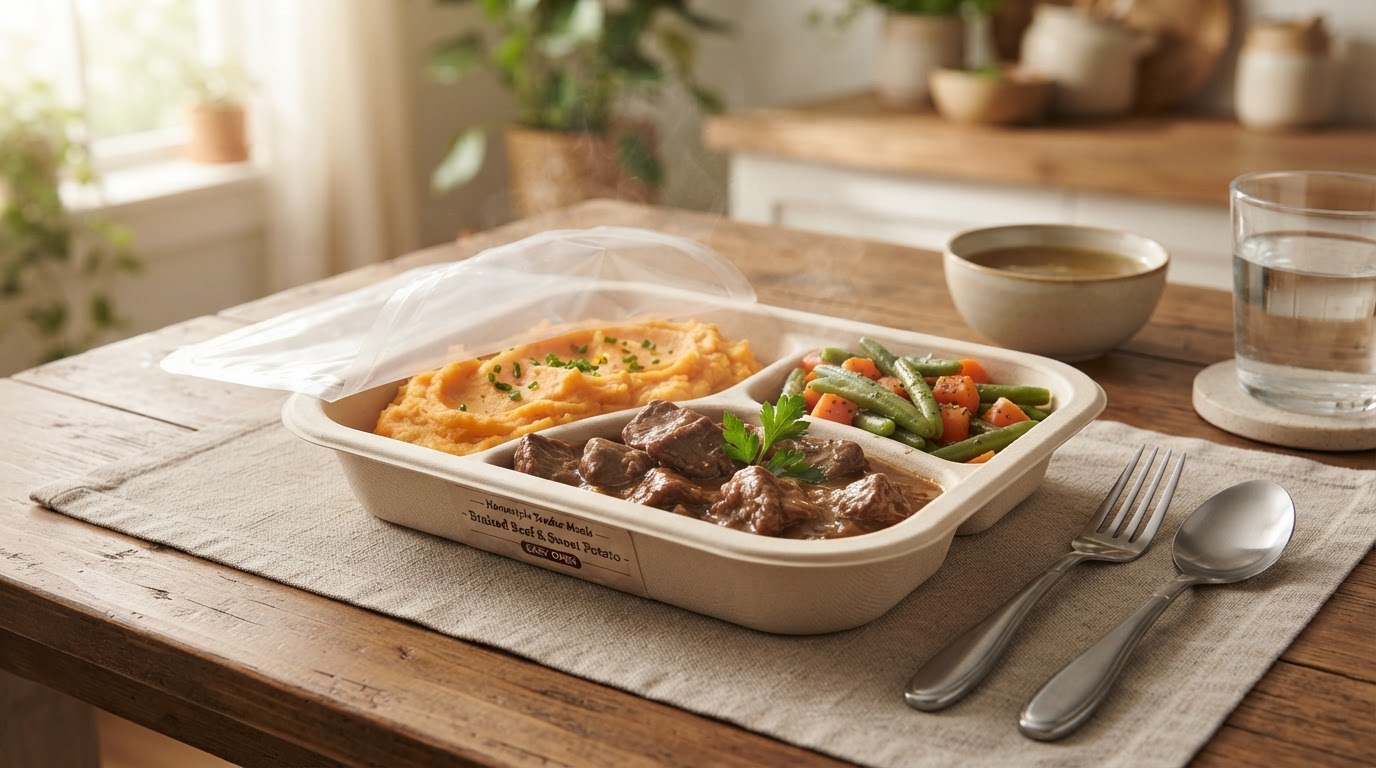
Easy-open packaging addresses the limited hand strength and dexterity that many seniors experience. Traditional meal containers with tight lids can be difficult or impossible for arthritic hands to open. Senior-friendly services use packaging with peel-away film lids, large tabs, and minimal resistance closures. Large-print heating instructions accommodate vision changes. These seemingly small details determine whether a senior can actually use delivered meals independently or requires assistance.
Delivery reliability matters disproportionately for seniors, who may have limited ability to retrieve missed deliveries or replace spoiled meals. Services serving seniors should provide dependable delivery windows, clear notifications, and responsive customer service for resolving issues. For seniors without family nearby, a missed or spoiled delivery can mean going without meals rather than easily substituting alternatives. Evaluating a service's delivery reliability and support responsiveness is particularly important for senior subscribers.
Caregiver coordination is a consideration for seniors receiving meal delivery through family-managed subscriptions. Services allowing family members to manage menus, delivery schedules, and billing remotely support long-distance caregiving. Some services offer family accounts or caregiver portals that let adult children oversee a parent's meal delivery from another city, providing peace of mind alongside the nutritional benefit to the senior.
This directory lists meal delivery services for seniors across the United States and Canada, with profiles detailing nutritional specializations, texture options, packaging features, and service areas. Browse senior-friendly providers serving your location or a family member's location, compare offerings, and contact companies directly through their listed website, phone, or email to confirm dietary accommodations and delivery availability. Meal delivery for seniors, chosen thoughtfully, supports health, independence, and quality of life for older adults.
Looking for senior nutrition & medical meals providers?
Browse our directory of vetted meal delivery services.
Browse Senior & Medical Meals